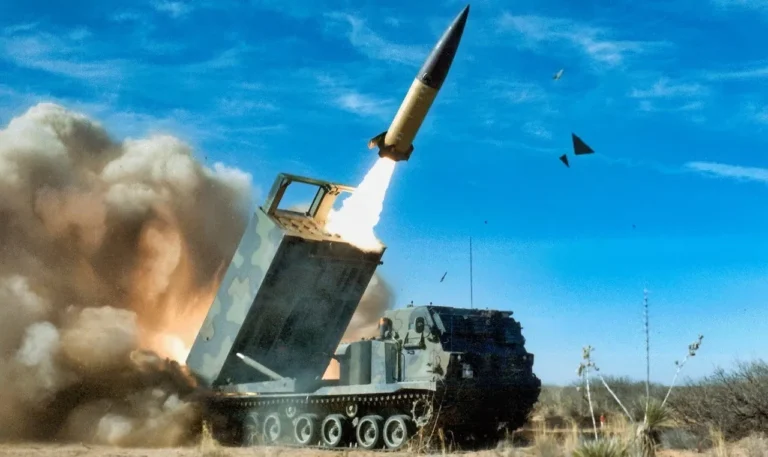
Top 10 Air Defence Systems in the World in 2026
Top 10 Air Defence Systems in the World in 2026. In an era defined by advanced aerial threats, hypersonic missiles, stealth aircraft, and drone swarms, air defence systems have become the backbone of national security. We explore the most powerful, technologically advanced, and strategically effective air defence systems in the world in 2026, based on performance, range, versatility, and combat-proven capabilities.
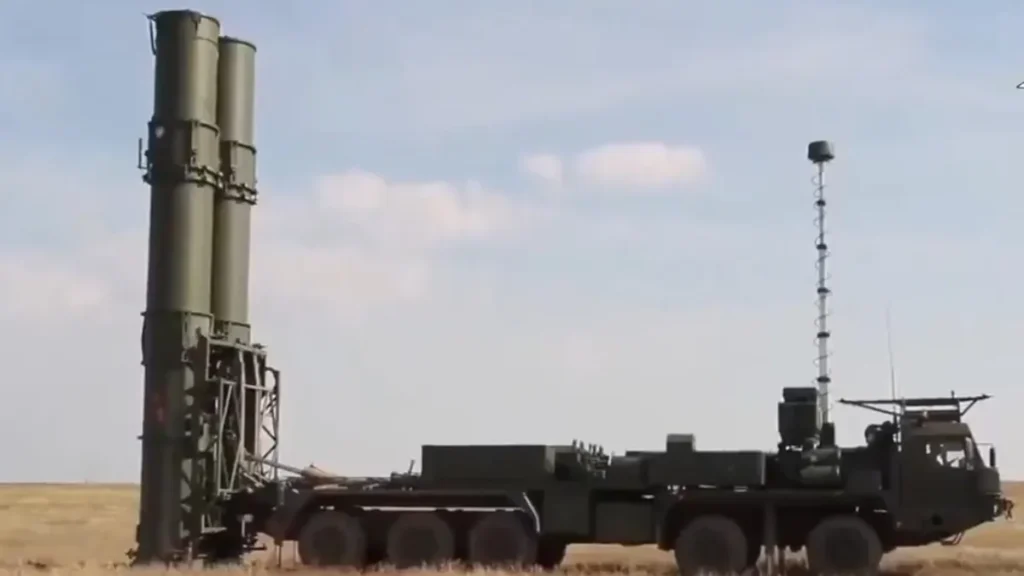
1. S-500 Prometey (Russia) – The Ultimate Strategic Shield
The S-500 Prometey stands at the pinnacle of modern air defence technology. Developed by Almaz-Antey, this system is engineered to intercept ballistic missiles, hypersonic weapons, stealth aircraft, and even low-orbit satellites.
With an estimated range exceeding 600 km and the ability to engage targets at altitudes up to 200 km, the S-500 is not just an air defence system—it is a space defense platform. Its advanced radar systems can track up to 10 ballistic targets simultaneously, making it unmatched in strategic defense.
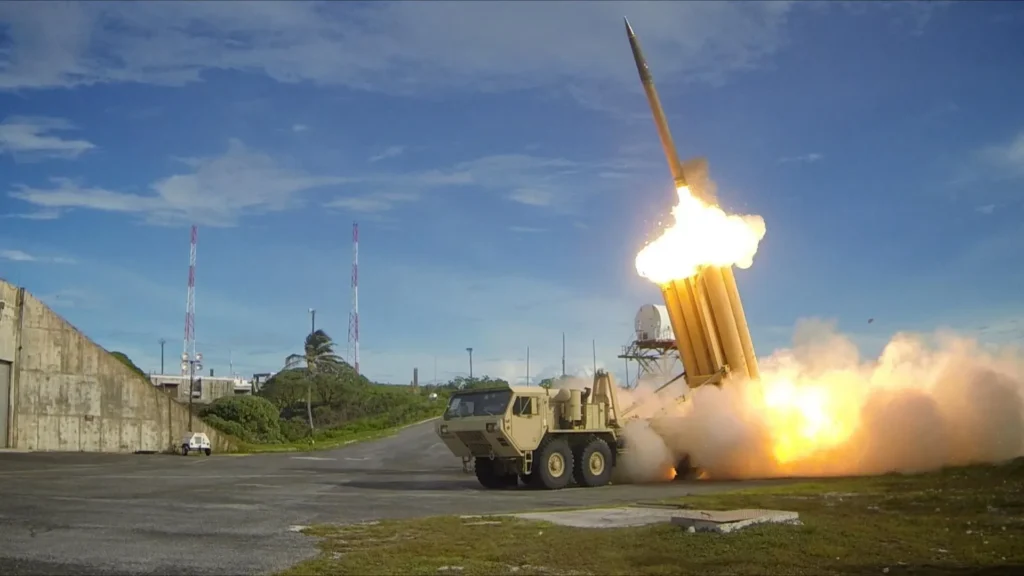
2. THAAD (USA) – Precision Missile Interceptor
The Terminal High Altitude Area Defense (THAAD) system, developed by Lockheed Martin, is a cornerstone of the United States’ missile defense architecture.
THAAD is designed to intercept short, medium, and intermediate-range ballistic missiles during their terminal phase. Its hit-to-kill technology ensures direct collision destruction without explosives. With deployment in regions like the Middle East and Asia, THAAD offers exceptional precision and reliability.

3. S-400 Triumph (Russia) – Global Benchmark System
The S-400 Triumph is widely regarded as one of the most versatile air defence systems ever built. Also developed by Almaz-Antey, it can engage aircraft, cruise missiles, ballistic missiles, and UAVs.
With a maximum range of 400 km, the S-400 can track over 300 targets simultaneously and engage multiple threats at once. Its multi-layered missile capability makes it highly adaptable, which is why countries like India, China, and Turkey have adopted it.
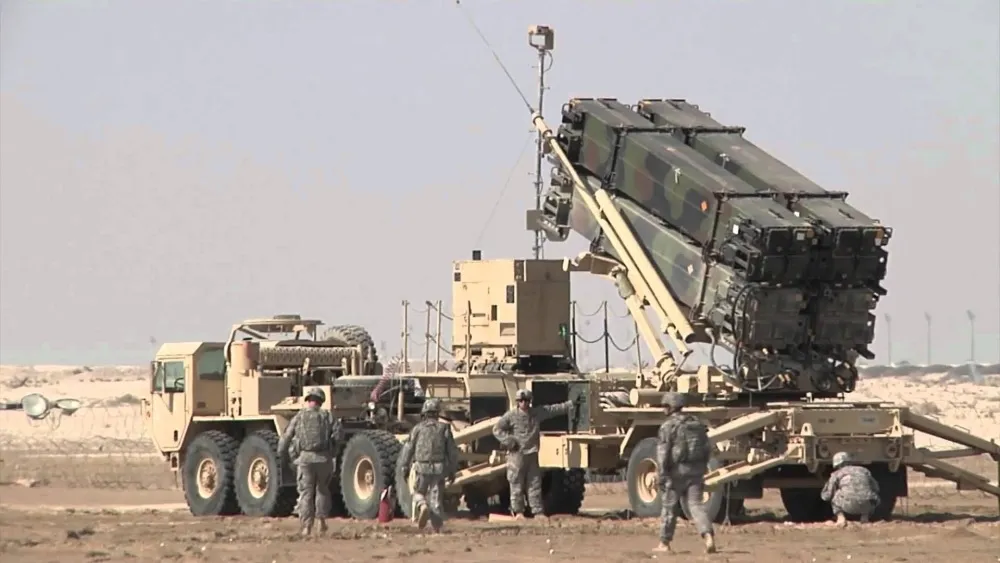
4. Patriot PAC-3 (USA) – Combat-Proven Excellence
The Patriot Advanced Capability-3 (PAC-3) system, manufactured by Raytheon Technologies, remains one of the most combat-tested air defence systems globally.
It excels in intercepting tactical ballistic missiles, cruise missiles, and aircraft. The PAC-3 variant introduces enhanced radar tracking and improved missile accuracy, making it highly effective in modern warfare scenarios. Its deployment across NATO allies underscores its global trust and operational success.
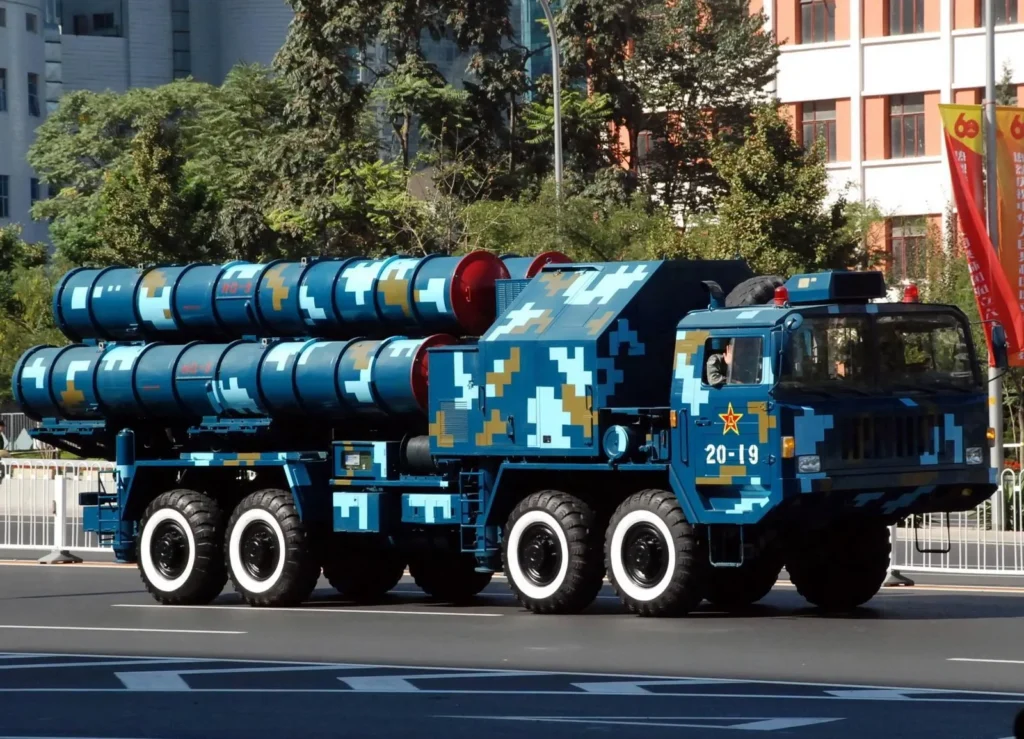
5. HQ-9B (China) – Rapidly Advancing Power
China’s HQ-9B, developed by China Aerospace Science and Industry Corporation, represents the country’s growing prowess in air defence.
The HQ-9B boasts a range of up to 300 km and is capable of countering stealth aircraft and precision-guided munitions. Its integration with advanced radar and command systems ensures high situational awareness and rapid response.
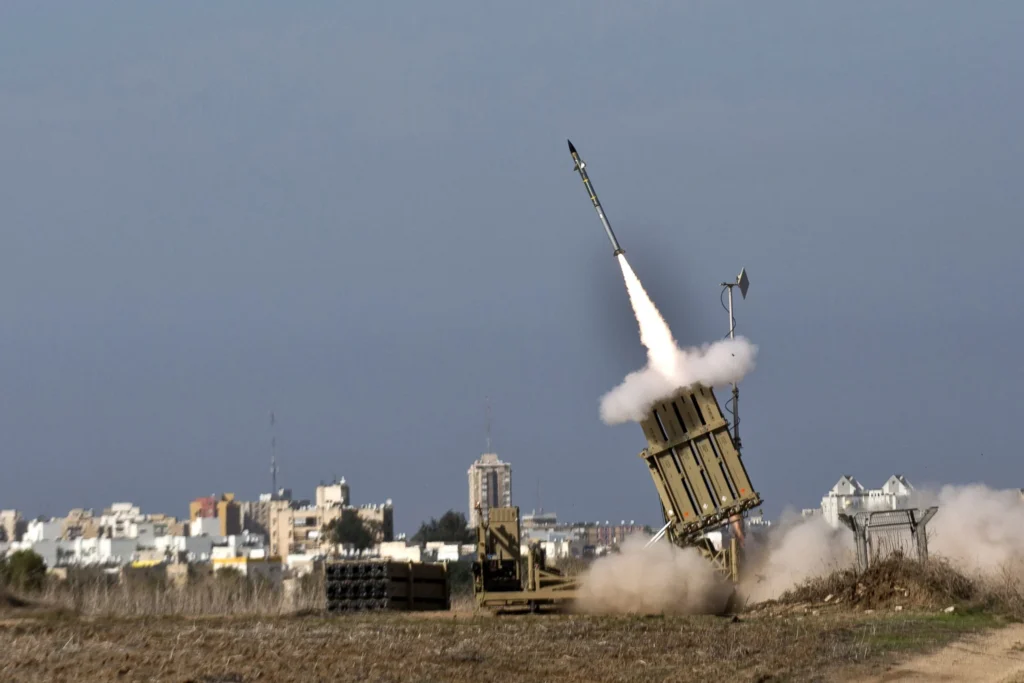
6. Iron Dome (Israel) – Short-Range Mastery
The Iron Dome, developed by Rafael Advanced Defense Systems, is a revolutionary short-range air defence system designed to intercept rockets and artillery shells.
With a success rate exceeding 90%, Iron Dome is optimized for urban defense, selectively intercepting threats that pose real danger. Its ability to handle massive rocket barrages makes it a unique and highly effective system in asymmetric warfare.
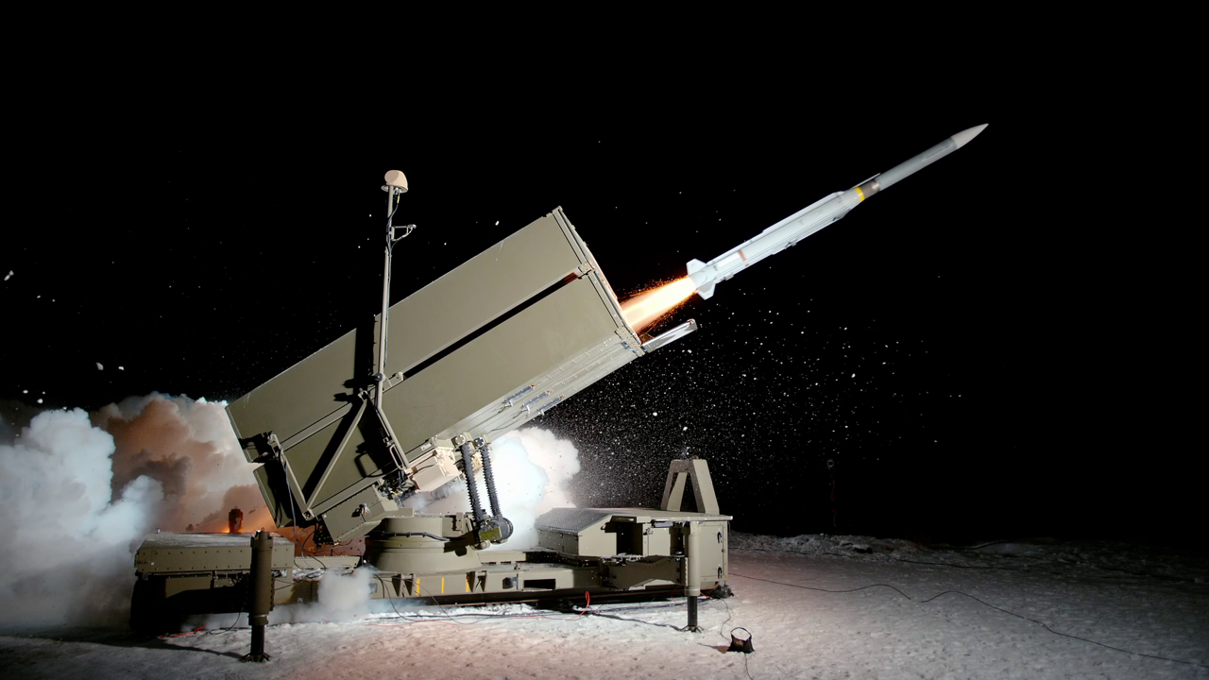
7. NASAMS (Norway/USA) – Network-Centric Defense
The National Advanced Surface-to-Air Missile System (NASAMS), developed jointly by Kongsberg Defence & Aerospace and Raytheon Technologies, is a highly flexible and networked air defence solution.
NASAMS uses AIM-120 AMRAAM missiles, offering precision engagement against aircraft, drones, and cruise missiles. Its modular design and integration capability make it a preferred choice for modern air forces, including protection of critical infrastructure and capitals.
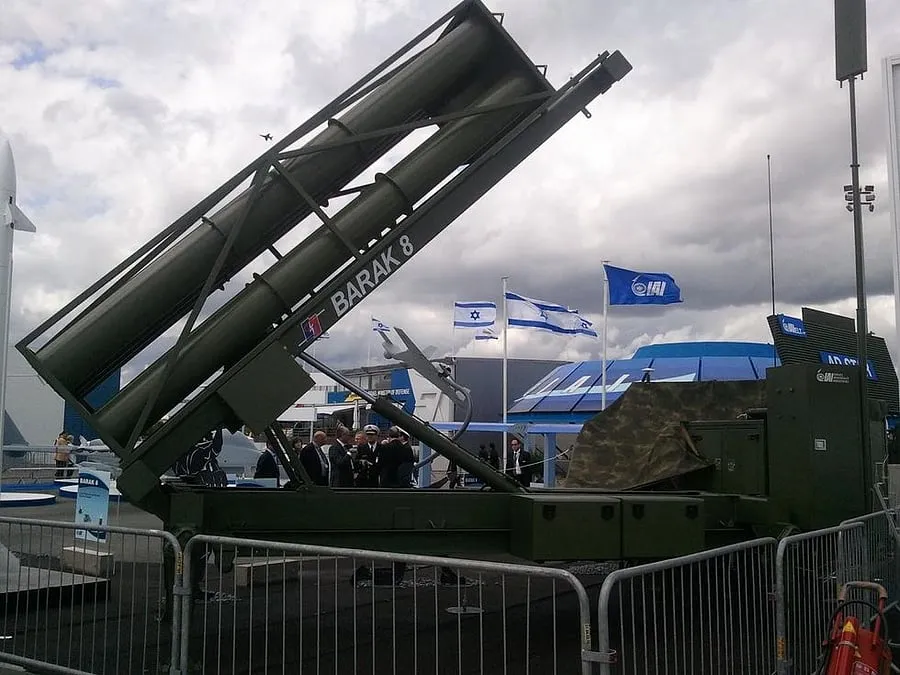
8. Barak-8 (India/Israel) – Naval and Land Versatility
The Barak-8 system, co-developed by DRDO and Israel Aerospace Industries, is a state-of-the-art medium-range air defence system.
It is capable of intercepting aircraft, anti-ship missiles, and UAVs at ranges up to 150 km. Its deployment on both naval vessels and land platforms makes it highly versatile. The system’s active radar seeker and 360-degree coverage ensure robust defense in all directions.
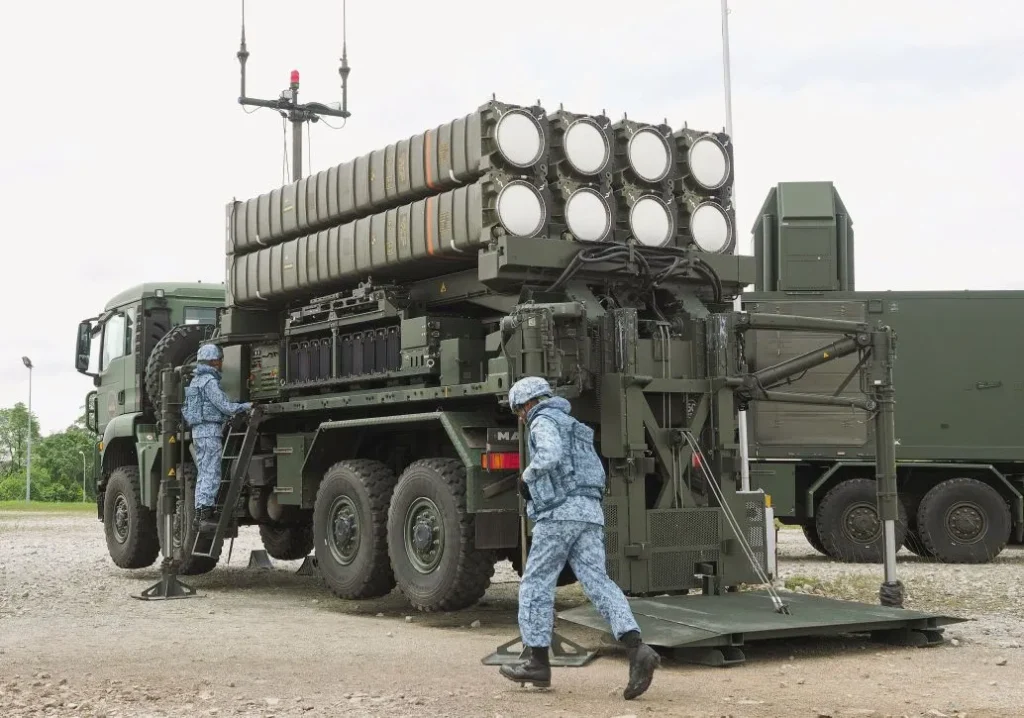
9. Aster 30 SAMP/T (Europe) – NATO’s Shield
The Aster 30 SAMP/T, developed by the European consortium MBDA, is a high-performance air defence system used by several NATO countries.
It offers protection against aircraft, drones, and ballistic missiles, with a range of up to 120 km. Its high maneuverability and rapid reaction time make it ideal for defending critical assets and military formations.
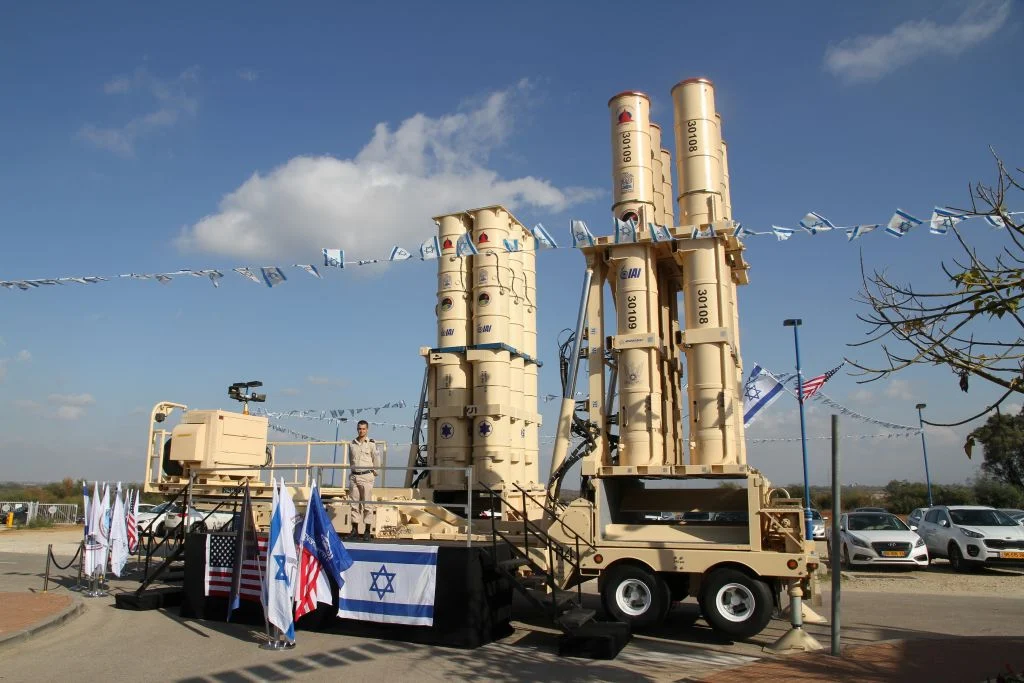
10. Arrow-3 (Israel) – Space-Level Interception
The Arrow-3 system, developed jointly by Israel Missile Defense Organization and Boeing, is designed to intercept ballistic missiles in outer space.
Operating beyond the atmosphere, Arrow-3 can destroy threats at extreme altitudes, preventing warheads from reaching their targets. Its exo-atmospheric interception capability places it among the most advanced systems in the world.
Key Trends in Air Defence Systems in 2026
Integration of Artificial Intelligence
Modern systems increasingly rely on AI-driven threat detection and response, enabling faster and more accurate interception decisions.
Counter-Hypersonic Capabilities
With the rise of hypersonic weapons, leading systems like the S-500 are being designed to track and neutralize ultra-fast threats.
Multi-Layered Defense Architecture
Countries are adopting layered defense systems, combining short, medium, and long-range solutions for comprehensive coverage.
Drone and Swarm Defense
The emergence of drone warfare has pushed systems to develop advanced counter-UAV capabilities, including electronic warfare integration.
Conclusion: The Future of Air Defence
In 2026, air defence systems are no longer just protective tools—they are strategic assets shaping global power dynamics. From the space-capable S-500 to the precision-focused THAAD and urban-optimized Iron Dome, each system reflects a nation’s technological ambition and military doctrine.
As aerial threats continue to evolve, the demand for faster, smarter, and more resilient defense systems will only intensify. The systems listed above represent the cutting edge of global air defence, defining the future of warfare and national security.