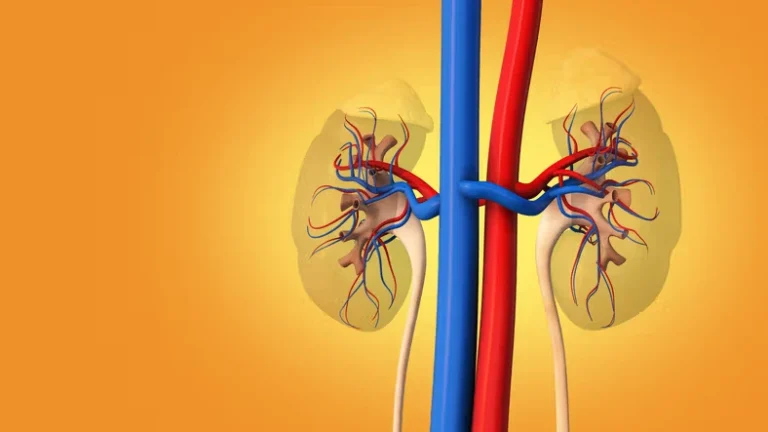
Best Diet for Kidney Disease Prevention. New research published in the Canadian Medical Association Journal followed nearly 180,000 adults for 12 years to determine exactly which dietary patterns protect kidney function. Here is what the science says about fruits, vegetables, red meat, and your renal health.
The Best Diet for Kidney Disease Prevention, According to a 12-Year Canadian Study
Your kidneys work silently.
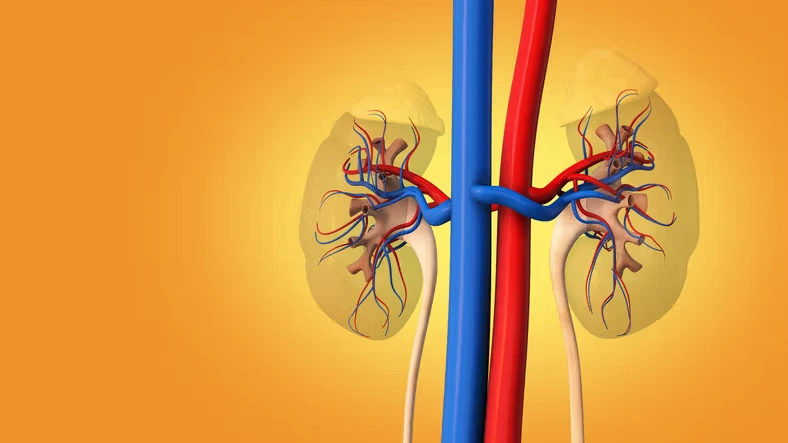
Every day, these two fist-sized organs filter approximately 120 to 150 quarts of blood, removing waste products and excess fluid that your body does not need . They maintain a delicate balance of potassium, sodium, and other minerals while producing hormones that regulate blood pressure and support bone health .
When they fail, the consequences are severe. Fluid and waste build up in the bloodstream. Blood pressure spikes. Bones weaken. Eventually, dialysis or transplantation becomes the only option.
This is the reality for approximately one in ten people worldwide living with chronic kidney disease (CKD) . The condition develops gradually, often without noticeable symptoms until significant damage has occurred. By the time patients feel unwell, kidney function may already be dangerously reduced.
But here is the encouraging news: a major new study published in the Canadian Medical Association Journal suggests that what you put on your plate every day can dramatically influence whether your kidneys stay healthy or begin to fail .
The Canadian Study: 179,000 Adults, 12 Years, 4,819 Diagnoses
Researchers set out to answer a deceptively simple question: Can diet predict who develops chronic kidney disease?
They recruited 179,000 adults aged 49 to 69—a demographic particularly vulnerable to kidney decline . Each participant completed detailed questionnaires about their eating habits, reporting how frequently they consumed fruits, vegetables, nuts, red meat, sugar, and various types of fats .
Then the researchers waited.
For 12 years, they tracked participants’ health outcomes, recording every new diagnosis of chronic kidney disease . By the end of the study period, 4,819 individuals had received a CKD diagnosis, providing a robust dataset for analysis .
The results were clear: diet matters enormously.
What the Science Found: The Protective Foods
Participants who regularly consumed fruits, vegetables, and nuts showed significantly lower rates of kidney disease compared to those who avoided these foods .
Why? The researchers point to several mechanisms:
Antioxidants neutralize damage. Plant-based foods are rich in compounds that fight oxidative stress—a process where unstable molecules called free radicals damage cells throughout the body, including the delicate filtering units inside kidneys .
Fiber reduces inflammation. Diets high in fiber from fruits, vegetables, and nuts lower systemic inflammation, which is a key driver of kidney damage over time .
Plant proteins spare the kidneys. Unlike animal proteins, which create metabolic byproducts that kidneys must work harder to filter, plant-based proteins place less strain on renal function .
The Culprits: What Increases Kidney Disease Risk
The other side of the equation was equally clear. High consumption of red meat, sugar, and unhealthy fats was consistently associated with increased kidney disease risk .
The explanation lies in how these foods affect the body:
Excessive sugar triggers inflammation. When you consume large amounts of sugar, your body responds with inflammatory processes that damage blood vessels. Kidneys, which contain millions of tiny blood vessels called glomeruli, are particularly vulnerable .
Unhealthy fats promote oxidative stress. Saturated and trans fats generate free radicals that attack cell membranes and DNA. Kidney tissue, with its high metabolic activity, is a prime target .
Red meat increases filtration burden. Animal protein metabolism produces nitrogen-based waste products that must be filtered by the kidneys. Over decades, this constant high workload may accelerate decline .
Beyond the Kidneys: A Whole-Body Approach
The study’s findings align with broader health research. Diets high in sugar and saturated fat are linked to obesity, type 2 diabetes, and hypertension—three conditions that independently increase kidney disease risk .
Conversely, plant-rich diets support healthy blood pressure, stable blood sugar, and appropriate body weight, creating a virtuous cycle that protects kidneys from multiple angles .
Practical Strategies for Kidney Health
Based on the Canadian study and supporting research, here is how to structure your diet for optimal kidney protection:
1. Fill Half Your Plate With Fruits and Vegetables
Aim for a variety of colors to maximize nutrient diversity. Dark leafy greens provide magnesium and vitamin K. Orange and yellow vegetables offer beta-carotene. Berries deliver concentrated antioxidants. Each serving contributes to the protective effect observed in the study .
2. Include Nuts and Seeds Daily
Almonds, walnuts, flaxseeds, and chia seeds provide healthy fats, fiber, and plant compounds that reduce inflammation. A small handful (about one ounce) per day is sufficient .
3. Reimagine Protein Sources
Replace red meat with plant-based options several times per week. Lentils, chickpeas, black beans, tofu, and tempeh provide protein without the renal workload associated with animal sources . When you do eat meat, prioritize poultry or fish and keep portions moderate.
4. Eliminate Sugary Beverages
Soda, sweetened teas, and fruit drinks deliver massive sugar doses without any nutritional benefit. Water, sparkling water, and unsweetened herbal teas are superior choices for kidney health .
5. Reduce Processed Foods
Packaged snacks, fast food, and ready meals typically combine high levels of sugar, unhealthy fats, and sodium—a triple threat to kidney function. Cooking from scratch gives you control over ingredients .
6. Stay Adequately Hydrated
Water helps kidneys flush waste products efficiently. While individual needs vary based on activity level and climate, aiming for six to eight cups daily is a reasonable starting point for most adults .
What This Means for You
Chronic kidney disease often develops silently over decades. By the time symptoms appear, significant function may already be lost. This is why prevention matters so much.
The Canadian study provides evidence that everyday food choices accumulate over time to either protect or endanger kidney health. No single meal determines your fate. But years of dietary patterns create physiological conditions that either support renal function or accelerate its decline.
The protective pattern identified in the research—rich in fruits, vegetables, and nuts; low in red meat, sugar, and unhealthy fats—is not radical or extreme. It is essentially the Mediterranean-style diet that has been associated with numerous health benefits .
The Bottom Line
Your kidneys cannot speak. They cannot tell you when they are struggling. But they respond to everything you eat and drink, day after day, year after year.
The 179,000 adults in the Canadian study who protected their kidneys with plant-rich diets did not know they were participating in research that would confirm the power of food choices. They simply ate well—and their kidneys stayed healthy.
You have the same opportunity starting with your next meal.
What is one change you can make today to better protect your kidneys? Share your thoughts in the comments below.