Iran Threatens Gulf Energy Targets Amid Rising Middle East Conflict A Deep Dive into Global Implications. The Middle East conflict has intensified as Iran issues threats against Gulf energy infrastructure, raising global concerns over oil supply disruptions, economic instability, and geopolitical escalation. This article explores the causes, consequences, and future outlook of this critical situation.
Iran Threatens Gulf Energy Targets Amid Rising Middle East Conflict : Understanding the Current Crisis
What Triggered the Latest Escalation
Tensions in the Middle East have always simmered beneath the surface, but recent developments have pushed the region closer to a dangerous tipping point. Iran’s renewed threats against Gulf energy targets didn’t appear out of nowhere—they are the result of escalating political friction, economic sanctions, and military confrontations that have been building for years. When diplomatic channels weaken and economic pressure intensifies, nations often resort to more aggressive rhetoric and actions, and that’s exactly what we’re witnessing right now.
The latest escalation stems from a mix of geopolitical rivalries and strategic positioning. Iran, feeling cornered by international sanctions and regional opposition, is signaling that it has the power to disrupt global energy flows if pushed further. Think of it like a high-stakes chess game—every move is calculated, and every threat carries weight. The targeting of energy infrastructure is not random; it’s a deliberate message aimed at both regional rivals and global powers that depend on Gulf oil.
Key Players Involved
The conflict isn’t limited to just one or two countries. Instead, it’s a complex web involving multiple nations with competing interests. Iran stands at the center, but Gulf countries like Saudi Arabia and the United Arab Emirates are directly in the line of fire due to their critical energy assets. On the global stage, the United States, China, and Russia are deeply invested in how this situation unfolds, each with its own strategic priorities.
This multi-layered involvement makes the conflict far more dangerous. It’s no longer a regional issue—it’s a global concern. When major powers are indirectly or directly involved, even a small spark can trigger a much larger fire. The interconnected nature of today’s world means that what happens in the Middle East doesn’t stay there—it echoes across continents.
Iran’s Strategic Position in the Region
Military Capabilities and Influence
Iran has spent decades building a formidable military and strategic network designed to deter adversaries and project power across the region. Its missile systems, naval capabilities, and asymmetric warfare tactics give it a unique advantage, especially when targeting infrastructure rather than engaging in direct large-scale battles. This approach allows Iran to exert pressure without triggering immediate full-scale war.
One of Iran’s strongest assets is its ability to operate in unconventional ways. Instead of relying solely on traditional military engagements, it uses cyber operations, drone strikes, and proxy forces to extend its reach. This flexibility makes it unpredictable—and that unpredictability is exactly what makes global markets nervous. Investors and governments alike are forced to consider worst-case scenarios, which can lead to economic instability even before any actual attack occurs.
Proxy Networks Across the Middle East
Iran’s influence extends far beyond its borders through a network of allied groups across the Middle East. These proxy forces act as extensions of Iranian strategy, allowing it to maintain plausible deniability while still exerting pressure on its adversaries. It’s a tactic that has proven effective in shifting the balance of power in various conflicts across the region.
These networks create a layered threat environment. Instead of facing a single opponent, Gulf states must contend with multiple actors operating in different locations. This complexity makes defense planning extremely challenging. It’s like trying to guard a house with dozens of hidden entry points—you never know where the next breach might occur.
Gulf Energy Infrastructure at Risk
Critical Oil and Gas Facilities
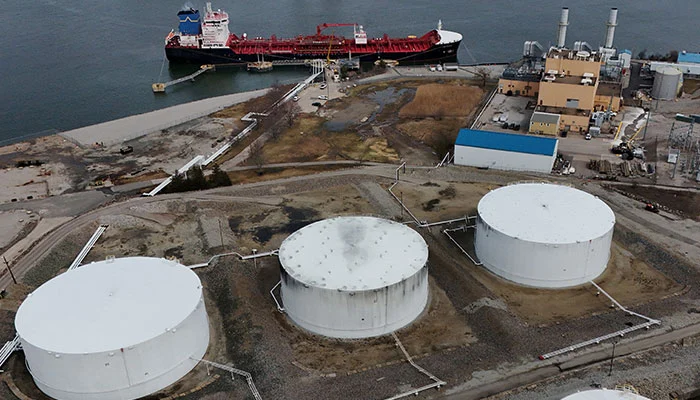
The Gulf region is home to some of the world’s most important energy infrastructure. Massive oil fields, refineries, and export terminals form the backbone of the global energy supply. When Iran threatens these assets, it’s not just a regional issue—it’s a direct challenge to the global economy.
These facilities are highly sophisticated but also vulnerable. Even a minor disruption can have a significant impact on production and supply chains. The interconnected nature of modern energy systems means that damage in one location can ripple across the entire network. This vulnerability is what makes Iran’s threats so powerful—they target the very heart of global energy stability.
Vulnerability of Shipping Routes
Beyond physical infrastructure, shipping routes in the Gulf are equally critical. The Strait of Hormuz, for example, is one of the most important chokepoints in the world, with a significant percentage of global oil passing through it daily. Any disruption here can send shockwaves through global markets.
The narrow nature of these routes makes them particularly susceptible to attacks or blockades. It’s like a bottleneck in a busy highway—if something goes wrong, everything comes to a halt. This vulnerability adds another layer of risk, amplifying the potential impact of the conflict.
Impact on Global Oil Markets
Oil Price Volatility Explained
Whenever tensions rise in the Middle East, oil markets react almost instantly. Prices fluctuate based on perceived risk, even before any physical disruption occurs. Traders and investors closely monitor every development, adjusting their strategies in real time.
This volatility can have far-reaching consequences. Higher oil prices translate into increased costs for transportation, manufacturing, and everyday goods. It’s a chain reaction that affects nearly every aspect of the global economy. For consumers, it often means higher fuel prices and increased living costs.
Economic Ripple Effects Worldwide
The economic impact doesn’t stop at oil prices. Industries that rely heavily on energy, such as aviation and shipping, face immediate challenges. Governments may need to adjust policies to manage inflation and protect their economies from external shocks.
Emerging markets are particularly vulnerable. Countries that depend on imported energy can experience severe economic strain when prices spike. This creates a global ripple effect, where a regional conflict leads to worldwide financial instability.
Role of Major World Powers
United States Response
The United States has long been a key player in Middle Eastern geopolitics. Its response to Iran’s threats is crucial in shaping the trajectory of the conflict. Military presence in the region acts as both a deterrent and a potential trigger for escalation.
At the same time, diplomatic efforts continue behind the scenes. Balancing military readiness with diplomatic engagement is a delicate act. Too much force can escalate tensions, while too little can embolden adversaries.
China and Russia’s Strategic Interests
China and Russia view the situation through a different lens. Both countries have significant economic and political interests in the region, particularly in energy and trade. Stability is crucial for their long-term strategies, but they also see opportunities to expand their influence.
Their involvement adds another layer of complexity to the conflict. Competing interests among global powers can either lead to cooperation or further escalation, depending on how the situation evolves.
Regional Security Dynamics
Gulf States’ Defense Measures
Gulf countries are not passive observers in this situation. They are actively strengthening their defense systems to protect critical infrastructure. Investments in advanced technology, surveillance, and military capabilities are becoming increasingly important.
These measures aim to deter potential attacks and ensure rapid response in case of emergencies. However, no defense system is foolproof, especially against unconventional threats.
Military Alliances and Cooperation
Regional alliances play a crucial role in maintaining stability. Cooperation among Gulf states and their allies enhances collective security and improves response capabilities. Joint military exercises and intelligence sharing are key components of this strategy.
These alliances act as a force multiplier, making it more difficult for adversaries to exploit weaknesses. However, they also increase the stakes, as any conflict involving one member can quickly draw in others.
Risks of Full-Scale War
Potential Scenarios
The current situation presents several possible scenarios, ranging from limited skirmishes to full-scale war. Each scenario carries its own set of risks and consequences. Even a minor miscalculation could trigger a larger conflict.
The unpredictability of the situation makes it particularly dangerous. When tensions are high, decisions are often made quickly, increasing the likelihood of errors. This creates a volatile environment where the margin for mistake is extremely small.
Diplomatic Efforts to De-escalate
Despite the rising tensions, diplomatic efforts are ongoing. Negotiations, back-channel communications, and international mediation aim to prevent the situation from spiraling out of control.
These efforts highlight the importance of dialogue in resolving conflicts. While military power plays a role, diplomacy remains a critical tool in maintaining global stability.
Long-Term Consequences
Energy Security Challenges
The threat to Gulf energy infrastructure raises serious concerns about long-term energy security. Countries may need to diversify their energy sources and invest in alternative solutions to reduce dependence on the region.
This shift could accelerate the transition to renewable energy, reshaping the global energy landscape. However, such changes take time, and the immediate challenges remain significant.
Global Political Realignments
The conflict could also lead to shifts in global alliances and political dynamics. Countries may reevaluate their relationships and strategies based on how the situation unfolds.
These realignments can have lasting effects, influencing global politics for years to come. The Middle East has always been a key player in international relations, and this conflict reinforces its importance.